Featured
Some Ideas on What Is It Legal to Get Out of Debt Without...
The Ultimate Guide To Is It Worth to Invest in Profession...
An Unbiased View of Professional Guidance Safeguards Your...
:max_bytes(150000):strip_icc()/debtrestructuring.asp_final-a64fcb2c01704710bc55061e4304ce7d.png)

The Ultimate Guide To Is It Worth to Invest in Professional Bankruptcy Guidance
Table of Contents
While new credit history can aid you restore, it is necessary to area out your applications. If you have a relative or close friend with outstanding credit rating, take into consideration asking to add you as a licensed user on one of their charge card. If they do it, the complete history of the account will be included in your credit records.
Prior to you think about financial debt negotiation or personal bankruptcy, it is essential to comprehend the possible advantages and drawbacks and exactly how they might put on your scenario. Below's what to bear in mind. Both options can reduce or eliminate big portions of unprotected debt, helping you stay clear of years of unrestrainable settlements. Settling a debt or declare personal bankruptcy can quit lawsuits, wage garnishments, and aggressive financial institution activities.
If you're uncertain that debt negotiation or bankruptcy is appropriate for you, below are a few other financial obligation relief options to think about. The proper way will depend upon your scenario and objectives. If you have some versatility with your spending plan, below are some accelerated debt repayment alternatives you can go after: Begin by listing your financial obligations from the smallest to the largest equilibrium.
Some Of What Legislation Says Under Bankruptcy Law
The therapist works out with creditors to lower rate of interest, waive late fees, and create a convenient monthly settlement. You make one combined payment to the firm, which then pays your banks. While a DMP does not reduce the primary balance, it helps you pay off financial obligation faster and more cost effectively, typically within three to five years.
While you can negotiate with financial institutions by yourself, it's frequently a complicated and time-consuming process, particularly if you require to settle a huge quantity of financial obligation throughout numerous accounts. The procedure requires a solid understanding of your finances and the creditor's terms along with self-confidence and perseverance. Because of this, there are financial debt alleviation companies also called financial obligation negotiation companies that can take care of the negotiations for you.
Individuals that register in the red relief programs have, typically, approximately $28,000 of unprotected debt throughout almost 7 accounts, according to an analysis appointed by the American Organization for Debt Resolution, which checked out customers of 10 significant debt alleviation business in between 2011 and 2020. About three-quarters of those clients contended the very least one debt account successfully cleared up, with the typical enrollee clearing up 3.8 accounts and over half of their enlisted financial debt.
It's common for your credit score to drop when you initially start the debt alleviation process, specifically if you quit paying to your lenders. As each financial obligation is settled, your credit history ought to begin to rebound. Make sure you recognize the overall expenses and the effect on your credit score when assessing if financial obligation settlement is the appropriate selection.
Building Your Custom Debt Relief Plan Can Be Fun For Everyone
As stated over, there are choices to debt settlement that might be a better suitable for your financial situation. Here's a quick malfunction of just how each choice functions: Financial obligation loan consolidation allows you integrate multiple debts right into one by getting a new financing to pay off your existing debts. This technique turns numerous financial debts into a single monthly payment and often offers a lower rate of interest, streamlining your funds and possibly saving you cash with time.
Here's exactly how each one works: Financial obligation consolidation lendings: These are personal lendings that you can utilize to settle your existing financial obligations, leaving you with simply one monthly expense, typically at a reduced rates of interest. Balance transfer bank card: This involves relocating your existing credit report card balances to a new credit scores card that uses a lower rate of interest or a promotional 0% APR for a collection duration.
As soon as the period finishes, rate of interest prices will certainly be substantially high frequently over 20%. Home equity car loans or HELOCs (home equity credit lines): These car loans enable you to borrow versus the equity in your home. You get a round figure or a credit line that can be used to settle financial debts, and you commonly take advantage of reduced rates of interest contrasted to unsecured car loans.
The Best Guide To Consumer Protections Under State Law
These strategies have numerous benefits, such as streamlining your repayments by consolidating numerous into one and potentially reducing your rate of interest. Yet they typically come with an arrangement charge ranging from $30 to $50, and a month-to-month maintenance cost of around $20 to $75, depending upon the firm you collaborate with.
Having a great deal of financial debt can be overwhelming, but it's still critical to make the effort to consider the details of different solutions so you comprehend any kind of prospective dangers. The very best debt strategy for you depends upon your economic circumstance. If you're having problem with your bills yet still have not missed any type of payments, a debt management strategy could be an excellent fit especially if you don't desire your credit rating to storage tank.
Whichever your scenario is, consider talking to a certified credit rating therapist, an insolvency attorney, or a qualified debt expert prior to moving on. They can aid you get a complete understanding of your financial resources and alternatives so you're much better prepared to make choices. An additional variable that influences your alternatives is the sort of financial obligation you have.
It is crucial to recognize that a discharge is distinctive from financial obligation mercy, and financial debt does not obtain "forgiven" via a personal bankruptcy declaring. Our West Palm Coastline bankruptcy attorneys can explain in even more detail. As a whole, "debt mercy" refers to a scenario in which a creditor does not believe it can accumulate the complete quantity of the debt owed from a borrower, and either stops attempting to accumulate or accepts forgive a quantity less than what the debtor owed as part of a financial obligation negotiation arrangement.
Rebuilding Personal Financial Standing the Strategic Way for Beginners

When this occurs, the financial obligation will be considered "terminated" by the IRS, and the borrower will usually get a termination of financial debt develop the amount of financial debt forgiven is taxed. In an insolvency case, financial debt is not forgiven by a creditor. Rather, it is discharged by the insolvency court, and discharge has a different definition from financial debt forgiveness.

Table of Contents
Latest Posts
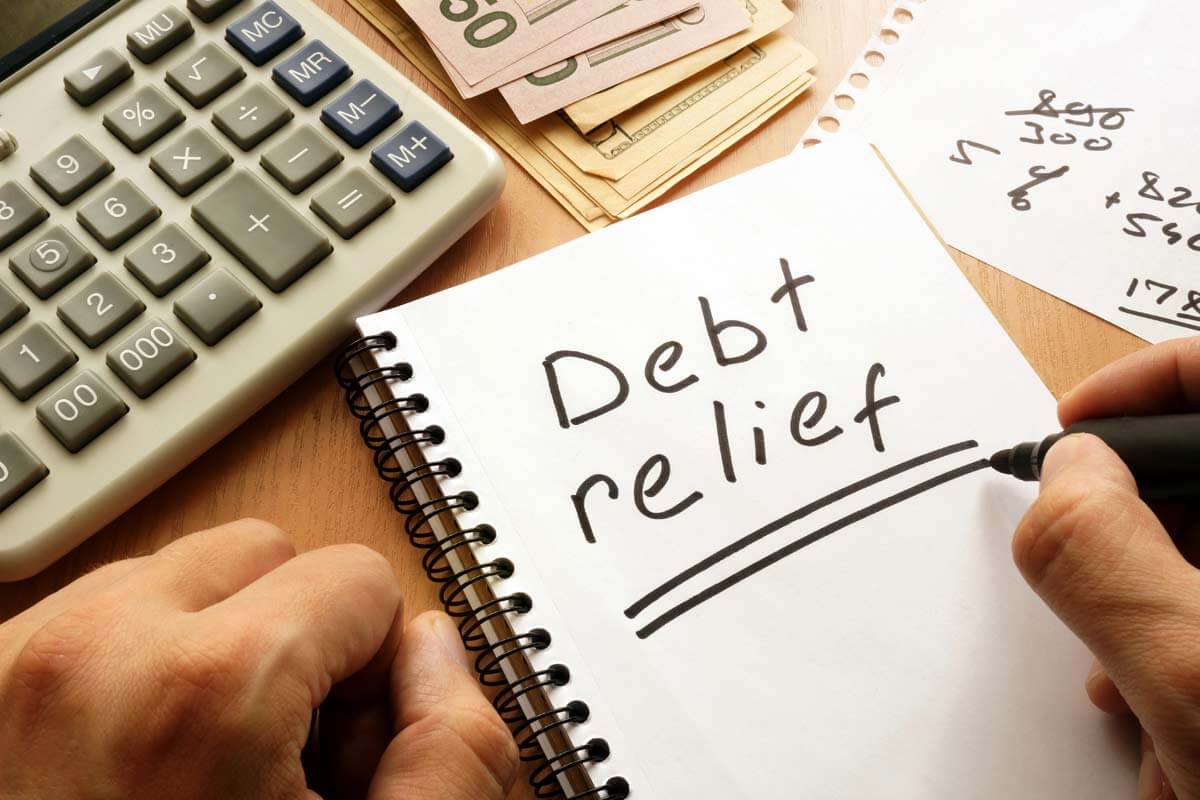
Some Ideas on What Is It Legal to Get Out of Debt Without Paying? Here's the Truth : APFSC Usually Cost You Need To Know
The Ultimate Guide To Is It Worth to Invest in Professional Bankruptcy Guidance

An Unbiased View of Professional Guidance Safeguards Your Home
More
Latest Posts
Some Ideas on What Is It Legal to Get Out of Debt Without Paying? Here's the Truth : APFSC Usually Cost You Need To Know
The Ultimate Guide To Is It Worth to Invest in Professional Bankruptcy Guidance
An Unbiased View of Professional Guidance Safeguards Your Home